

This week Anthropic's Dario Amodei warned that AI could wipe out around half of entry-level white-collar jobs within five years. Juniors in law, consulting and finance first.
He's not wrong that those roles will change. But that's what happens every time tech moves on. Old entry points close, and new ones open that nobody's invented yet.
The real challenge isn't the AI
It's whether the people coming into the job market have the skills to step into those new roles.
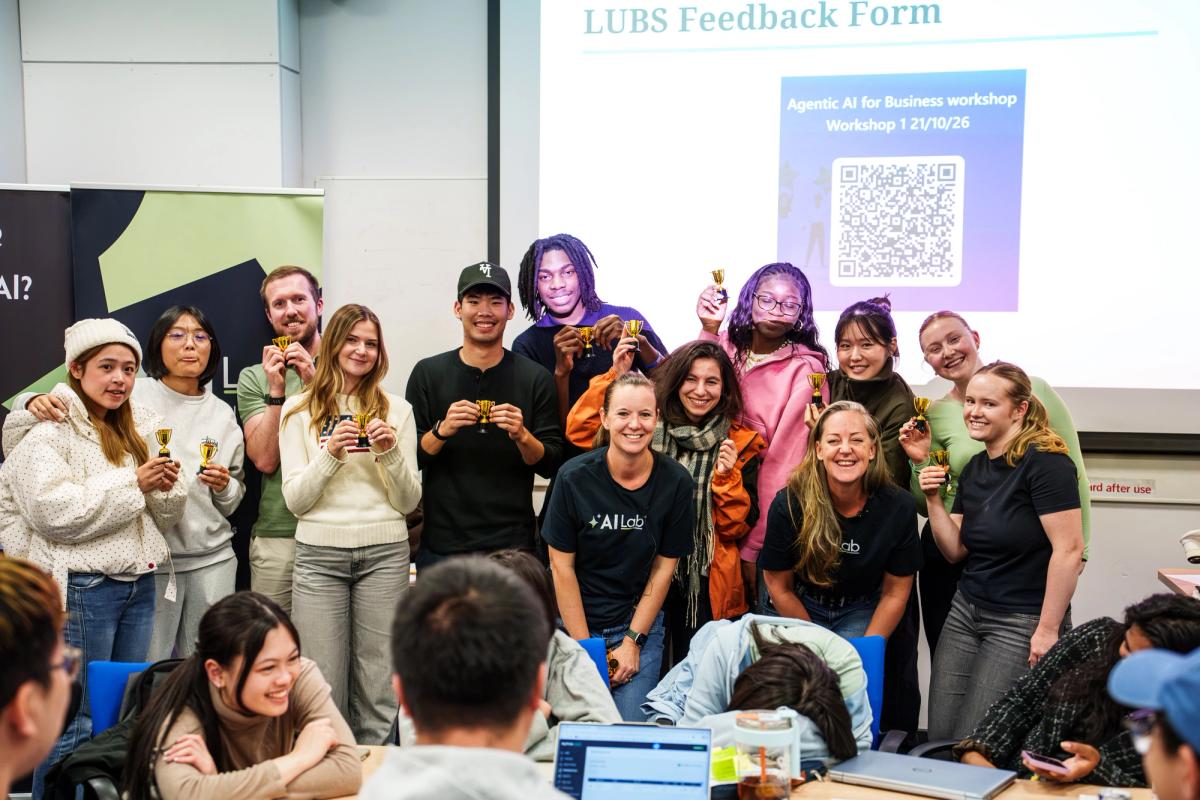
That's exactly what we do at AI Lab, powered by Zygens. We've now taken nearly 1,000 students through elements of the Zygens framework. They work on real business problems, build their first AI agents, and pitch them to people who actually run companies. They leave with skills most of the people already in those businesses don't have yet.
How exciting is that?
Transitions take time
The news loves a negative headline, and there's no doubt we're in a transition. Transitions always come with a slowdown while things adjust. What matters is what comes out the other side.
So let them in the room
At a conference this week I heard about the idea of a shadow board made up of students. James Brown at Leeds Credit Union came up with it years ago (great forward thinking, James!), but what a brilliant idea to be thinking about now.
Let the new workforce question and challenge the status quo. Let them ask "what if?"
Because the "what if" now is more than likely possible. So it's worth a conversation, right?
The conversation we should be having
The reimagining of the future of work. And who better to question the status quo than a generation walking in with these skills already?
I think that's where the magic is going to happen.
About the author

Charlie Bartle
Co-founder, AI Lab UK · CIO, Zygens
Charlie co-founded AI Lab UK and runs the lab programme on the ground. She works with SMEs, councils and universities to turn AI curiosity into working tools people actually use.